Traditional Islamic Motif: A Designer's Craft Fair Review
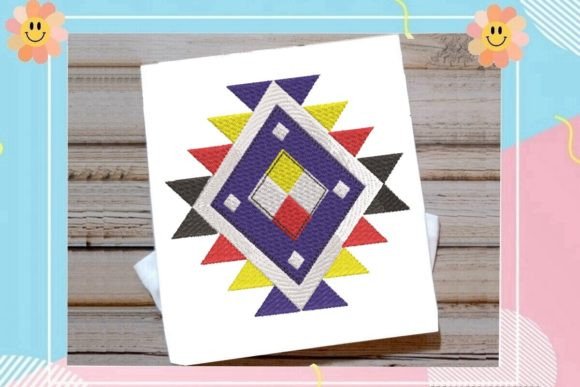
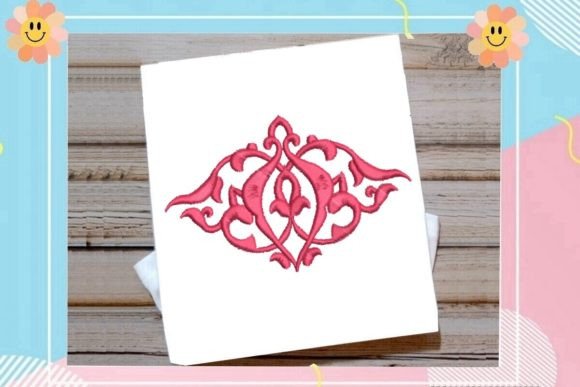
As an experienced embroidery designer preparing for a busy weekend at the local artisan market, I spend hours curating which digital embroidery file will anchor my booth display. This weekend, my focus is on the Traditional Islamic Motif. Upon loading the design into my software, the first impression is immediate: this is not a cute, whimsical sketch or a rustic farmhouse sign. It is elegant, decorative, and undeniably premium. The description promises a stunning capture of Eastern Islamic Zakhrapha, and visually, it delivers a sense of complexity and heritage that instantly elevates any handmade product it touches.
For Etsy sellers and boutique makers, the mood of a design dictates its placement. This motif feels sophisticated and timeless. It does not scream for attention with neon colors or funny slogans; instead, it invites the customer to lean in and appreciate the artistry. In a crowded craft fair environment where buyers are overwhelmed by loud graphics, this machine embroidery design offers a moment of visual calm and high-end appeal. It signals to the customer that the item they are holding is not just a generic commodity, but a piece of crafted history.
Strategic Product Placement for Maximum Impact
When setting up my table, I have to be strategic about where the Traditional Islamic Motif lives. Not every surface is created equal for such an intricate pattern. Here is how I evaluate its performance across my potential inventory:
- Tote Bags and Market Bags: This is arguably the strongest contender for a tote bag design. The large, flat canvas of a heavy cotton tote allows the complex lines of the Zakhrapha to breathe. Placed centrally or as a large pocket accent, it transforms a simple bag into a statement piece that appeals to customers looking for unique, culturally rich accessories.
- Aprons and Tea Towels: For apron embroidery, this motif works beautifully on the bib section, acting as a focal point that suggests a love for gourmet cooking and hosting. Similarly, tea towel embroidery benefits from the design's elegance, turning a standard kitchen utility into a giftable heirloom. However, one must be mindful of the fabric texture; a waffle weave might obscure the finer details of the Intricate Cuts category.
- Pillow Covers: Home decor is a huge seller at fairs. A linen pillow cover featuring this design screams "luxury." The contrast between the natural fiber and the dense stitching creates a tactile experience that encourages customers to touch the product, increasing the likelihood of a sale.
- Embroidered Patches: If produced as an embroidered patch, this design could be a hit for those wanting to customize denim jackets or backpacks. However, the scale is critical here. The intricate nature of the pattern means it cannot be shrunk too small without losing definition.
Production Realities and Technical Considerations
While the aesthetic value is high, the practical side of production requires a critical eye. As a professional, I know that a beautiful screen image does not always translate perfectly to thread. The Traditional Islamic Motif falls under the Intricate Cuts and Embroidery categories, which implies a high level of detail. Before running a batch for the fair, there are several technical hurdles to clear.
First, stitch density is a major factor. Complex geometric or floral patterns often require dense stitching to maintain shape, which can lead to puckering if the stabilizer is not chosen correctly. For a small shop product line, consistency is key. I would strongly advise testing the design on scrap fabric identical to your final goods. If you are using thick fabrics like canvas for totes, you may need a cut-away stabilizer to support the weight of the threads. Conversely, for delicate linens, a tear-away might suffice, but only if the density isn't too aggressive.
Secondly, consider the thread colors. The beauty of Islamic Zakhrapha often lies in the interplay of light and shadow within the pattern. Using a monochromatic thread scheme can look very modern and chic, while a multi-color approach highlights the complexity. Ensure there is enough contrast between the thread and the fabric, especially if you plan to offer this on dark fabrics. Dark backgrounds can sometimes swallow up the details of an intricate design unless the thread has a slight sheen or the stitch count is substantial.
Selling Points and Customer Engagement
From a sales perspective, the Traditional Islamic Motif enhances brand consistency for shops focusing on global, bohemian, or luxury aesthetics. It adds perceived value. A customer is more likely to pay a premium price for a pillow cover with this level of detailed work compared to a simple monogram. It tells a story of craftsmanship.
For online listings, this design photographs exceptionally well. The symmetry and detail make for compelling close-up shots in your printable mockup galleries or actual product photos. On platforms like Etsy, where visual appeal drives clicks, the texture of the embroidery captured in high-resolution images can be a significant conversion driver. It distinguishes your finished product from mass-produced imports.
However, caution is needed regarding sizing. This design likely works best as a large focal point rather than a tiny accent. If you attempt to shrink it for a cap or a small pouch, the fine lines may merge, resulting in a muddy appearance. Curved surfaces like caps present another challenge; the rigid geometry of traditional motifs can distort on curved planes unless the digitizing accounts for pull compensation. If the hoop size required is large, it may limit your ability to place it on smaller items like coin purses or infant clothing.
Final Verdict for the Craft Fair Booth
In conclusion, the Traditional Islamic Motif is a powerful asset for the serious commercial embroidery practitioner. It is not a quick-fill design for low-cost giveaways; it is a centerpiece. My strategy for the upcoming fair involves featuring this design on high-quality linen tote bags and throw pillows, positioned at eye level on the display table to draw people in.
Before you commit to producing a full inventory, remember to verify the specific file details. Since exact stitch counts and license terms were not provided in the initial overview, you must check the design assets documentation thoroughly. Confirm that your license permits the sale of finished physical goods, especially if you are a digital seller expanding into physical products. Test your tension, check your needle condition, and ensure your fabric texture complements the intricacy of the stitches. When executed with care, this motif has the potential to be the star of your booth, captivating customers with its timeless beauty and superior handmade quality.