Review: I'm Sorry, Did I Roll My Eyes Out Loud Design
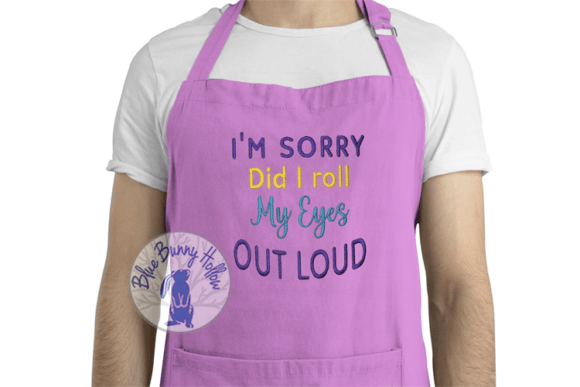
As an embroidery designer who spends most of my days digitizing and stitching for boutique apparel brands, I am always on the lookout for designs that bridge the gap between high-quality craftsmanship and relatable humor. Recently, while scouting for new assets to refresh a small sweatshirt collection for an upcoming online drop, I came across a standout piece in the Friends Quotes category on Creative Fabrica. The design features the witty phrase "I'm Sorry, Did I Roll My Eyes Out Loud." In this review, I will break down how this machine embroidery design performs when translated from a digital file to a finished product, specifically for those of us running small clothing brands or Etsy shops.
Visual Personality and Stitching Mood
The first thing that strikes me about I m Sorry, Did I Roll My Eyes out Loud is its immediate attitude. It captures a specific mood that is playful yet bold, perfect for the current trend of sassy, text-heavy apparel. Visually, the design feels premium rather than cheap or overly rustic. The lettering appears clean and legible, which is crucial for text-based embroidery where readability defines the impact. It strikes a balance between being trendy and classic enough to remain relevant beyond a single season. For a boutique brand looking to establish a fun, approachable identity, this design offers strong decorative strength without overwhelming the garment. It feels like something a customer would see on social media and immediately want to wear to express their personality.
Ideal Applications for Boutique Apparel
When planning a collection, versatility is key. I envision I m Sorry, Did I Roll My Eyes out Loud working exceptionally well across various garment types. For sweatshirt embroidery, this design shines as a central chest piece on neutral tones like heather grey, cream, or black. The contrast allows the thread colors to pop, making the message the hero of the outfit. On pastel hoodies, it adds a necessary edge to soft colors, creating a nice juxtaposition that appeals to younger demographics.
Beyond standard chest placements, this embroidery file could be adapted for sleeve accents on oversized garments, adding a subtle detail that encourages customers to show off the design even when wearing a jacket. For t-shirt embroidery, it works beautifully on pocket areas or as a larger back design for a statement look. I can also see this translating wonderfully to non-apparel items like tote bags or denim jackets, expanding the potential product line for handmade business owners. When creating lifestyle product photos or printable mockups for Etsy listings, the clear typography ensures the design remains readable even in thumbnail sizes, which is vital for driving clicks and customer engagement.
Technical Considerations for Production
While the aesthetic appeal is high, producing commercial embroidery products requires careful attention to technical details. Before committing to a full production run, there are several factors to consider regarding fabric texture and placement. Since this is a text-heavy design, stitch density is a critical element. On stretchy fabrics like fleece or ribbed cuffs, high density can lead to puckering or distortion over time. Therefore, testing on scrap fabric that matches your final garment is non-negotiable.
You must also consider the stabilizer choice. For dark garments or thick materials like hoodie fleece, a cut-away stabilizer is often safer to prevent the design from sinking into the nap of the fabric. If you are placing this on curved surfaces, such as the sleeve of a fitted sweatshirt, ensure the hoop size accommodates the curve without causing registration issues. Tiny lettering can be tricky; if the design includes very small details, verify that your machine can execute them cleanly on the specific fabric texture you intend to use. Areas that may stretch or wrinkle, like the lower back of a loose tee, should be approached with caution to maintain the professional presentation of the finished product.
Practical Designer Notes for Success
To ensure your custom apparel meets professional standards, follow these practical steps before selling:
- Test on scrap fabric: Always stitch a sample on the exact same material and weight as your final product to check for pull or distortion.
- Check stabilizer choice: Match your stabilizer to the fabric type; heavier knits often need more support than woven cottons.
- Review thread color contrast: Ensure your thread colors stand out against the garment color for maximum visual impact.
- Confirm hoop size: Verify that the design fits within your available hoop dimensions without needing to re-hoop, which can cause alignment errors.
- Inspect stitch density: Look for areas that might be too dense for lightweight fabrics and adjust if necessary.
- Compare placement options: Experiment with center chest, left chest, or back placements to see what best suits the garment style.
- Check Creative Fabrica product details: Always review the licensing terms included with the digital embroidery file to ensure you are compliant for commercial sales.
Enhancing Brand Identity and Value
Incorporating a design like I m Sorry, Did I Roll My Eyes out Loud into your inventory can significantly affect your apparel value and brand identity. Humor sells, and when executed with high-quality stitching, it builds buyer trust. Customers associate clean, well-executed embroidery with a professional brand, leading to higher product recognition and repeat business. Visual consistency is key; if this design fits your brand's voice, it reinforces your market position as a creator of fun, high-quality handmade products. Furthermore, engaging designs like this encourage social sharing, as customers love posting photos of witty slogans, thereby increasing your organic reach.
Ultimately, this Creative Fabrica embroidery asset offers a solid foundation for a successful small shop product line. Whether you are an experienced decorator or a creative entrepreneur just starting with digital embroidery files, the potential here is significant. Just remember to validate the technical specs like stitch count and file formats directly from the source if they are not explicitly listed in the description, ensuring your production process runs smoothly. With the right preparation, this design can become a staple in your catalog, driving both sales and brand loyalty.