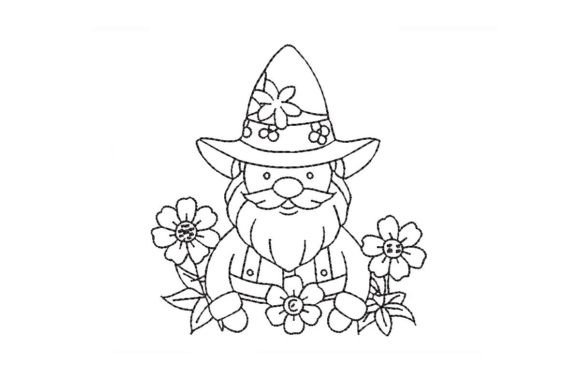
Gnome with Flowers Bean Stitch Design Review
As an embroidery designer who spends more time at the hoop than away from it, I am always cautious about new downloads. We have all been there: you see a cute preview image, purchase the digital embroidery file, and then discover upon loading it into your software that the stitch count is astronomical or the density is too high for anything other than a wall hanging. Recently, I came across the Gnome with Flowers Bean Stitch Design on Creative Fabrica and decided to evaluate it strictly through the lens of a professional looking to create sellable, durable goods.
My first impression was defined by the specific technique mentioned in the title: the bean stitch. Unlike standard satin stitches that can sometimes look flat or lose definition on textured fabrics, the bean stitch offers a raised, rope-like texture that adds significant dimension. For a Christmas-themed project, this textural element is crucial. It transforms a simple graphic into something that feels tactile and premium. The visual mood of this design strikes a balance between whimsical and rustic, making it versatile enough for more than just holiday decor.
Evaluating Real-World Application and Fabric Compatibility
The product description notes that this design is tailored for a 4×4 hoop size. In the world of commercial embroidery, this is a critical specification. A 4×4 footprint opens up a massive array of possibilities for small business owners and Etsy sellers. It means you are not limited to large sweatshirts or tote bags. You can confidently place this on cuffs, pockets, infant onesies, and even structured caps.
However, before committing to a full production run, I mentally walked through several scenarios. If you plan to use this for sweatshirt embroidery, the bean stitch is an excellent choice. Sweatshirt fleece has a looped texture that can sometimes swallow fine details, but the robust nature of the bean stitch ensures the gnome and his floral elements remain visible and crisp. Conversely, if you are aiming for a tote bag design using heavy canvas, you must pay close attention to your stabilizer strategy. The density of a bean stitch can cause puckering on unstable fabrics if not properly supported.
For those considering this for custom apparel like t-shirts, the stretch factor is vital. While the design fits a 4×4 hoop, ensuring the stitch direction aligns with the grain of the fabric will prevent distortion after the first wash. I would strongly advise testing on scrap fabric that matches your final product weight. This is non-negotiable when dealing with textured stitches on stretchy materials.
The Impact on Product Value and Brand Perception
In the handmade market, presentation is everything. Customers are increasingly savvy; they can tell the difference between a generic, mass-produced item and one crafted with care. Using a design like the Gnome with Flowers Bean Stitch Design elevates the perceived value of your finished product. The intricate detailing suggests a higher level of craftsmanship, which can justify a higher price point on platforms like Etsy or at local craft fairs.
Consider the application for an embroidered patch. Patches are a booming niche, and the clean lines of this design would translate beautifully to a twill or felt base. The bean stitch provides a natural border that mimics a merrow edge, giving the patch a professional, boutique look without the need for additional finishing steps. Similarly, for kitchen towels or aprons, the durability of this stitch type means the design can withstand frequent washing better than delicate fill stitches might.
Furthermore, the aesthetic appeal aids in product photography. The shadows cast by the raised bean stitch add depth to your images, making them pop on social media feeds. This visual engagement is key for driving traffic to your shop. Whether you are creating a personalized gift for a client or building inventory for the holiday rush, the "giftability" of an item featuring this charming gnome is high. It feels thoughtful and unique, rather than generic.
Technical Considerations for the Professional Embroiderer
While the artistic potential is clear, we must discuss the technical execution. The prompt mentions the design is ideal for various items, but it does not specify the exact stitch count or the number of thread colors. As a prudent designer, I cannot assume these details. Before purchasing or downloading any Creative Fabrica embroidery asset, you must verify the file details on the product page. Knowing the stitch count helps you estimate production time, which is essential for pricing your work accurately.
Thread color contrast is another area requiring your attention. The design features a gnome with flowers. Depending on the thread palette you choose, the flowers could either blend seamlessly into the gnome's hat or stand out as a vibrant focal point. When working on dark fabrics, ensure your thread choices provide sufficient contrast so the bean stitch definition isn't lost. A mockup comparison between light and dark fabric backgrounds is a smart step before cutting into your good material.
Stabilizer selection cannot be overstated. For a design relying on texture, a cut-away stabilizer is often safer than tear-away, especially for garments that will be worn and washed regularly. This prevents the stitching from sinking into the fabric over time, maintaining that crisp, 3D look that makes the bean stitch so appealing. If you are attempting this on a curved surface like a cap, ensure your hooping technique is flawless to avoid registration issues with the smaller floral details.
Licensing and Commercial Viability
Finally, for those of us running businesses, licensing is paramount. Creative Fabrica generally offers generous licenses for physical products, but terms can vary by designer. Before listing items made with the Gnome with Flowers Bean Stitch Design as commercial embroidery products, review the specific license included with the download. Ensure you are compliant regarding the number of physical sales allowed and whether there are restrictions on print-on-demand services.
In conclusion, this design holds significant promise for expanding your winter and holiday catalog. Its adaptability to small hoops, combined with the textural richness of the bean stitch, makes it a strong contender for high-quality handmade goods. From nursery decor to boutique apparel, the potential applications are vast. However, success lies in the preparation: test your stabilizers, verify your file specs, and respect the nuances of the fabric you are decorating. With the right approach, this design can become a staple in your library of profitable, beautiful assets.