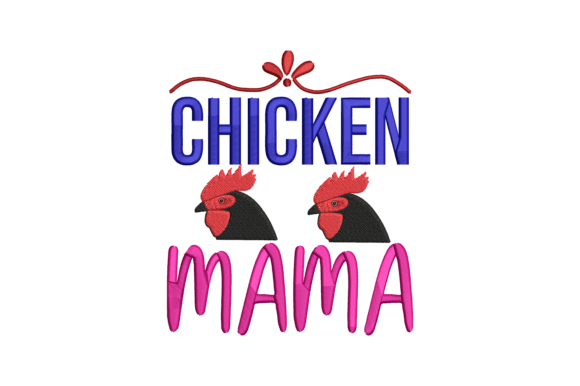
Chicken Mama: A Designer's Review for Real Projects
As a designer who spends more time hooped up at the machine than anywhere else, I approach every new machine embroidery design with a critical eye. It is not just about whether an image looks cute on a screen; it is about how those digital vectors translate into thread, tension, and texture on actual fabric. When I first loaded the Chicken Mama embroidery file to evaluate it for a client's boutique line, my immediate reaction was one of warm familiarity. There is a specific mood this design creates—it feels nurturing, rustic, and undeniably charming without tipping over into being overly childish. For those of us in the craft business, finding that balance between whimsical and professional is often the hardest part of sourcing design assets.
Visual Personality and Layout Analysis
The first thing you notice about Chicken Mama is its silhouette. In the world of Embroidery, shape is everything because thread has volume. This design appears to rely on a solid foundation of fill stitch work to create the body of the hen, likely accented with satin stitch for defining features like the comb, wattle, or perhaps a protective wing. The layout suggests a compact composition, which is ideal for versatility. It does not scream for attention with excessive sprawl; instead, it invites a closer look.
From a technical standpoint, the "intric" nature mentioned in the description hints at detailed feather work or perhaps a textured background element. As a reviewer, I always worry about tiny details getting lost in the stitching process. However, the visual personality here feels robust enough to hold up well. It exudes a "Mother" vibe that is perfect for the target demographic—think garden enthusiasts, new moms, or anyone who identifies with the protective, nurturing energy of a mother hen. It is the kind of graphic that stops a scroll on social media because it feels handmade and heartfelt.
Real-World Application: The Tote Bag Test
To truly understand the value of this design, I mentally placed it onto a canvas tote bag design project. Imagine a natural, unbleached cotton tote intended for a farmers' market vendor selling organic eggs or homemade preserves. Chicken Mama sits perfectly centered on the pocket or the main face of the bag. The earthy tones typically associated with poultry designs would pop beautifully against the neutral fabric.
Beyond tote bags, this design shines as sweatshirt embroidery. Picture a heather grey crewneck with the design stitched over the left heart area. It transforms a basic garment into a handmade product with soul. For Etsy seller accounts focusing on nursery decor, this could be the centerpiece of a pillow cover or a wall hanging. The charm lies in its ability to fit multiple contexts: it works as a personalized gift for a new grandmother, a branding element for a small farm, or a seasonal accent for spring decor. When customers see this level of thoughtful application, it builds immediate trust in the quality of your finished product.
Technical Considerations for Stitching
While the aesthetic appeal is high, practical execution requires caution. Every digital embroidery file behaves differently depending on the substrate. With Chicken Mama, I would advise paying close attention to stitch density. If the design utilizes heavy fill stitches to create the illusion of feathers, it can cause puckering on lighter weight fabrics.
- Fabric Selection: Avoid using this on very thin, stretchy knits unless you are experienced with heavy stabilization. It is best suited for medium-to-heavy weight cottons, linen blends, or denim.
- Stabilizer Strategy: For a project like a custom apparel piece, a cut-away stabilizer is non-negotiable to support the weight of the design over time, especially if it will be washed frequently.
- Small Hoop Sizes: If you are adapting this for a cap or a small patch, ensure the intricate details do not become too compressed. Tiny lettering or fine running stitch outlines can disappear if the hoop size forces a reduction below 2 inches.
- Dark Fabrics: Check the thread color contrast. If the design relies on light threads, it may need a layer of white underlay or even a fabric backing to prevent the dark garment color from showing through the stitches.
Commercial Viability and Brand Consistency
For commercial embroidery projects, consistency is key. Does Chicken Mama look the same on the tenth item as it did on the first? Based on the structural integrity of the design, it seems reliable for small batch production. Whether you are creating an embroidered patch to sell as an add-on or stitching directly onto baby embroidery items like onesies, the design maintains its clarity.
The visual appeal directly impacts buyer engagement. In a crowded marketplace, customers are drawn to designs that tell a story. This design tells a story of care and home. It enhances the perceived value of a small shop product because it feels curated rather than generic. When used in printable mockup previews for your online store, ensure you photograph the texture of the thread. The tactile quality of the satin and fill stitches is a selling point that flat graphics cannot replicate.
Final Verdict and Designer Notes
Before committing to a full production run with Chicken Mama, I strongly recommend a test stitch-out on scrap fabric that matches your final material. Do not skip this step. Check the back of the hoop to ensure there is no excessive bird-nesting, which can irritate sensitive skin on baby items. Review the thread colors in natural light; sometimes screen colors deceive, and a rust orange might look muddy next to a forest green in real life.
Furthermore, always confirm the licensing terms provided with the file. While many designs allow for unlimited physical sales, some restrict the resale of the embroidery file itself or require attribution. Ensure you are clear on whether this counts as an applique design requiring additional fabric steps or a standard stitch-out.
In conclusion, Chicken Mama is a standout choice for designers looking to inject warmth and character into their portfolio. It bridges the gap between novelty and classic style, making it a safe yet exciting bet for holiday embroidery gifts, boutique branding, or everyday wear. By respecting the technical requirements of the stitch count and fabric choice, you can turn this digital asset into a tangible piece of art that customers will cherish. It is a reminder that in our trade, the best designs are those that feel as good to make as they do to own.